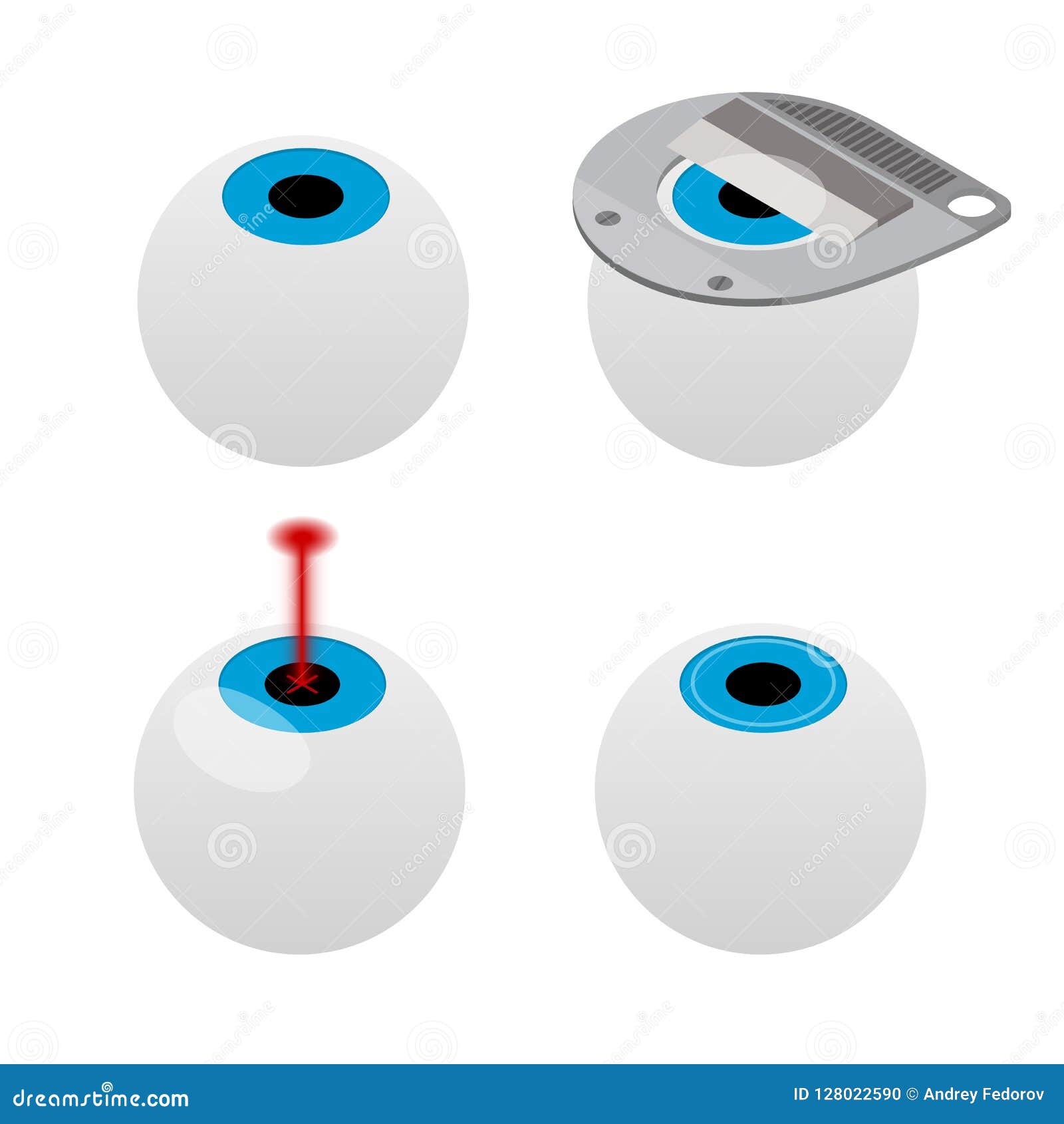
In the quest for ideal vision, many people are exploring new solutions that promise to free them from the limitations of glasses and contact lenses. Among these advancements, SMILE laser eye surgery has surfaced as a popular choice for those seeking relief for nearsightedness. https://canvas.instructure.com/eportfolios/2842861/entries/10372766 advanced procedure, which is known as Small Incision Lenticule Extraction, offers a special minimally invasive alternative to conventional methods like LASIK and PRK. But what precisely is SMILE eye surgery, and how does it function to change the way we see the world?
As we investigate the benefits of SMILE surgery for nearsightedness, it is crucial to take into account factors such as the price, reactions, and healing period associated with the procedure. With its bladeless technology and a minimal cut technique, many patients find the experience to be more tolerable and less troublesome to their daily lives. Whether you are wondering about your eligibility for the procedure or contrasting SMILE to other vision correction methods, this article aims to provide a thorough overview to help you make an educated decision about your ocular health.
Understanding SMILE Eye Procedure
SMILE ocular procedure, which stands for SMILE, is a revolutionary method in laser vision corrections designed primarily for individuals with nearsightedness. This novel technique employs a high-precision laser to form a small, precise lenticule within the cornea, that is then extracted through a minimal incision. This technique allows for vision correction with minimal interference to the adjacent corneal tissue, leading to a gentler healing experience and reduced risk of issues.
The Small Incision Lenticule Extraction procedure for myopia delivers various advantages over traditional methods such as LASIK or PRK. One of the key advantages includes that it is a bladeless laser vision correction technique, which enhances safety and ease for individuals. The small cut used in SMILE leads to a faster recovery period compared to previous surgical methods, allowing patients to return to their normal routines more efficiently.
After undergoing the advantages of Small Incision Lenticule Extraction eye surgery, many individuals claim better vision and contentment with the results. However, as with any surgical procedure, potential patients should be aware of possible side effects, which may include dry eyes or short-term visual issues. It is essential to speak to a qualified eye care professional to determine if you are a suitable candidate for SMILE and to talk about what to anticipate during recovery and afterward.
Advantages and Cons of SMILE
SMILE eye surgery offers several pros for patients seeking to correct nearsightedness. SMILE Eye Surgery Consultation of the primary benefits is the less invasive nature of the procedure. In contrast to traditional LASIK, which requires creating a corneal flap, the SMILE technique does not require this step, leading to reduced risk of flap-related complications. Additionally, patients often experience reduced dry eye syndrome post-surgery, which is a common side effect of other laser vision correction methods.
Another notable benefit is the rapid recovery time associated with SMILE. Many individuals report better vision within a few days after the procedure, and most return to their daily activities almost right away. This prompt recovery is appealing for those eager to resume their daily routines without lengthy downtime. Furthermore, the precision of the SMILE procedure helps ensure that the results are permanent, with many patients enjoying clear vision for years to come.
However, like any surgical procedure, SMILE eye surgery does carry risks. Potential side effects may include blurred vision, glare, or halos around lights, particularly at night. Though these symptoms often diminish over time, they can be concerning for some candidates. Additionally, not everyone is a fit candidate for SMILE surgery. Conditions such as very thin corneas or certain eye diseases may prevent individuals from undergoing the procedure. It is crucial for patients to meet with a qualified eye care professional to assess their eligibility and discuss any possible risks involved.
Cost Comparison: Small Incision Lenticule Extraction vs Alternative Treatments
When evaluating laser eye surgery, cost is often a major factor for potential candidates. The SMILE procedure typically ranges from two thousand dollars to $3,500 per eye, which is on par with similar treatments like LASIK and Photorefractive Keratectomy. While the upfront cost of SMILE may seem high, it is crucial to remember that this procedure offers long-term savings by potentially reducing or eliminating the need for glasses or contact lenses.
In comparison, LASIK eye surgery usually costs between $2,000 and $3,000 per eye. While LASIK has been the preferred method for correcting myopia for many years, SMILE's innovative methods is gaining traction due to its minimally invasive approach. PRK, on the other hand, tends to be more affordable, falling between one thousand five hundred dollars to two thousand five hundred dollars per eye. However, this method often involves a prolonged recovery period, which can impact overall satisfaction and post-surgery well-being.
It is essential for patients to consider not only the financial cost but also the possible benefits and outcomes related to each procedure. While SMILE and the LASIK procedure are both without blades, the SMILE method’s distinct benefits may warrant the investment. Patients should also consider potential enhancements, follow-up care, and the long-term benefits of improved vision when evaluating the costs linked to these procedures.
Candidate Criteria for SMILE Surgery
Not every individual is an suitable candidate for the SMILE eye surgery. Ideal candidates generally consist of individuals who are at least the age of 18 and have stable vision for a minimum of one year. This means their prescription for myopia should shouldn't have varied significantly within that time frame. Additionally, candidates should have reasonable expectations about what the procedure can achieve, understanding both the benefits and the potential risks involved.
Individuals considering SMILE procedure should also have a refractive error that is within specific limits. Generally, those with mild to moderate myopia are the best candidates, while more severe cases might be assessed on a case-by-case basis. It is crucial for prospective patients to go through a thorough eye exam, which helps determine the severity of their condition and whether SMILE surgery is the best option for their vision correction.
Lastly, certain medical conditions can disqualify individuals from being candidates. This includes progressive eye diseases, diabetes, or autoimmune disorders that hinder recovery. Previous eye surgeries or particular eye injuries may also disqualify someone from undergoing this surgery. A comprehensive evaluation by a qualified eye care professional will ensure that only those who meet the necessary criteria move forward with the SMILE procedure.